For most Kelowna small businesses, a solo operator wins: you pay for the work instead of the overhead, the person who pitched you is the person doing it, and changes happen in a text instead of a ticket. An agency earns its fee when you need big-team capacity: multi-city campaigns, large paid budgets, full brand departments. The test is simple: if your marketing is one location and a local market, the layers are cost, not value.
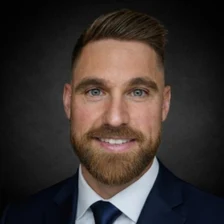
I am a solo operator, so read this knowing where I sit. But I have also seen enough Okanagan businesses burned by both sides, the freelancer who vanished and the agency that billed $3,000 a month for a junior's afternoon, that I think the honest comparison is worth writing down. Here is where each one wins.
The difference is layers
An agency is a structure: sales closes you, an account manager runs the relationship, juniors do the work, seniors review it, and the office holds it all. Every layer adds polish and every layer adds cost, and none of the layers are the work itself. A solo operator is the opposite trade: no buffer, no backup, but every dollar goes to the person building your campaigns, shooting your content, and answering your calls.
| Solo operator | Agency | |
|---|---|---|
| Who does the work | The person you hired | Junior staff you may never meet |
| Monthly cost, social | $1,000 to $4,500 | $1,200 to $6,800+ in the Okanagan |
| Getting a change made | Text me, done same day | Ticket, account manager, queue |
| Capacity | A handful of clients, by design | Dozens of accounts at once |
| If they leave | You feel it, so check ownership | Team absorbs it, quality may drift |
| Best for | Single-location local businesses | Multi-city brands, large ad budgets |
Where the agency wins
Scale and surge. If you are opening in three cities, spending $20,000 a month on ads, or need a brand campaign with strategy, design, video, and media buying all at once, one person cannot carry that and an agency can. Agencies also survive their own staff turnover, which a freelancer by definition cannot. If your business is at that size, pay for the structure. It earns its keep.
Where the solo operator wins
Everything local. A Kelowna restaurant, a Vernon trades company, a Lake Country clinic does not need a strategy department. It needs someone who shows up with a camera, knows the market because they live in it, and is personally embarrassed if the work does not perform. You also skip the game of telephone: the person who heard your goals is the person executing them, so nothing gets lost between the sales call and the junior's task list.
How to protect yourself either way
Whoever you hire, own your stuff. The Google Business Profile, the ad accounts, the domain, the website, all registered to you, not to them. Ask who does the work and how many clients they carry. Ask what happens when you cancel. A good freelancer and a good agency both answer those without flinching. Anyone who dodges them is telling you the answer anyway. My own answers are on the packages page and the about page, in writing.
If you want the solo version of this for your business, you talk to me, I do the work, and my client list stays small on purpose. Book a free thirty-minute call at bryceelliot.com/contact or text 604-817-1069.
Common questions
Is a freelancer or an agency better for a small business?
For a single-location local business, usually the freelancer: lower cost, direct accountability, faster changes, and the same senior person doing the work every time. Agencies win when the job needs a team: national campaigns, six-figure ad budgets, full creative departments.
Why are agencies so much more expensive?
Layers. A sales team wins your business, an account manager holds your hand, junior staff do the work, and rent sits on top. Every layer is on your invoice. The work itself is often the same work a good solo operator does directly.
What is the risk of hiring a freelancer?
Capacity and continuity: one person can only take so many clients, and if they disappear, so does your marketing. Ask how many clients they carry, and make sure you own your accounts, your site, and your ad accounts so nothing is hostage.
Based in Lake Country. Serving Kelowna, West Kelowna, Vernon, and Penticton.